


This post is for anyone considering reducing or removing their lawn, but I’ll speak directly to members of the Greenbelt Homes co-op.
So you’re facing the yearly yard inspection soon and you may be reminded of how much you dislike all the mowing required to keep your lawn short enough. Or maybe your lawn is full of bare spots, for a variety of reasons, that you’ll need to repair. If so, and especially if your yard is small, you might consider getting rid of your lawn altogether! Here are some ways to do that AND still pass a yard inspection – by creating a yard that still looks cared for.
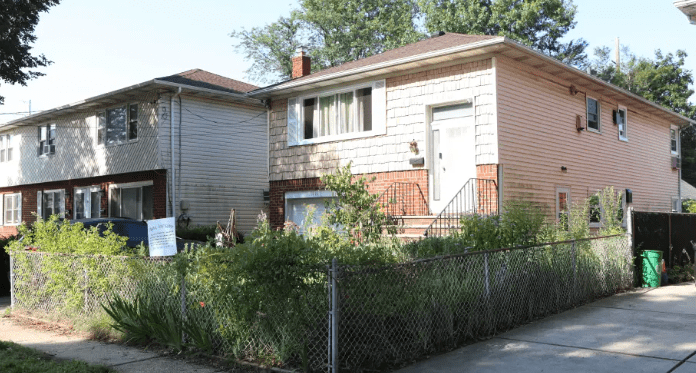
The question of how to achieve this is very timely, and not just for co-op members. Laws and rules governing residential yards are increasingly in the news, including when the owner of the Long Island, NY yard seen above was threatened with a $2,000 fine. (Here’s the story in the New York Post.) Many were surprised that even prominent anti-lawn, pro-native plant advocate Benjamin Vogt criticized the homeowner for having such a messy yard, and urged her to incorporate cues to care in the yard.
What ARE “Cues to Care”?
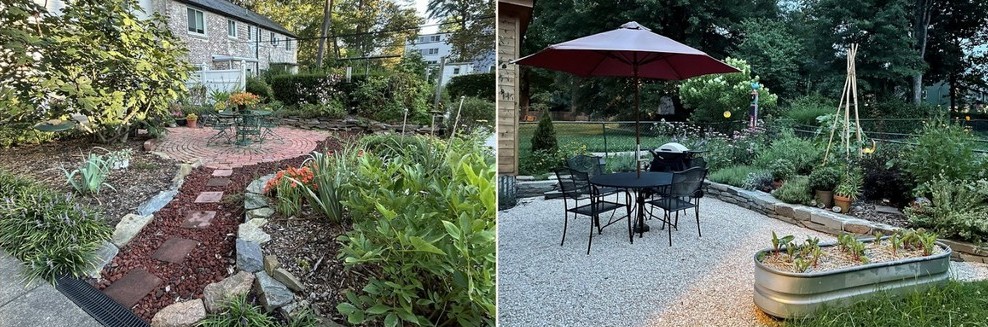
Vogt defines “cues to care” as “signals to other folks that the landscape is intentional and being cared for and is open to humans being in it (aka it’s physically and aesthetically accessible).” Source. As a co-op member I think that’s a fine goal – that yards (and homes) look cared for, and not JUST when neighbors are trying to sell their house. Cues to care, like seating and paths, also benefit you, the member, by increasing the time you spend outdoors in nature. (The benefits of which are well documented.)
I’ve learned that cues to care are nothing new, having been written about for 30 years, with dozens of articles online about them. From my review, these cues are the most often mentioned, in order of their effectiveness in making your garden look cared-for:
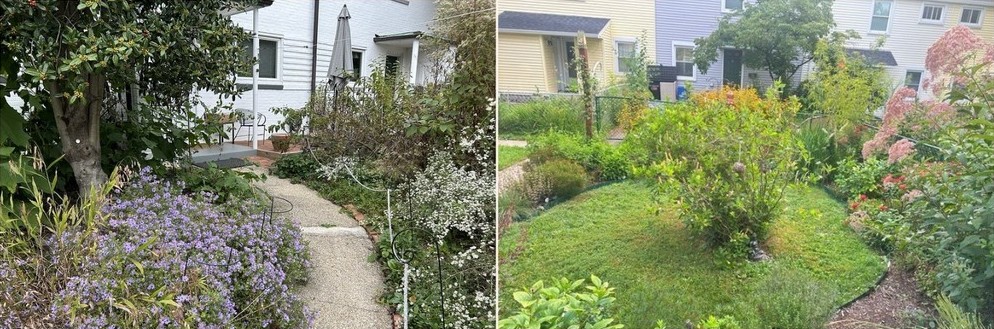
First, if you have a lawn, create a clear edge between it and your borders. Notice on the photo right above, this new GHI garden looks great even in its first year, with clear borders around a lawn. I suspect the gardener will gradually enlarge her borders and reduce the lawn or even replace it with a wood-chip path. You can edge the border with bricks, metal, etc OR make natural edges with no materials needed.
If you don’t have a lawn, create clear lines between your planted areas and non-planted areas like paths and seating areas.
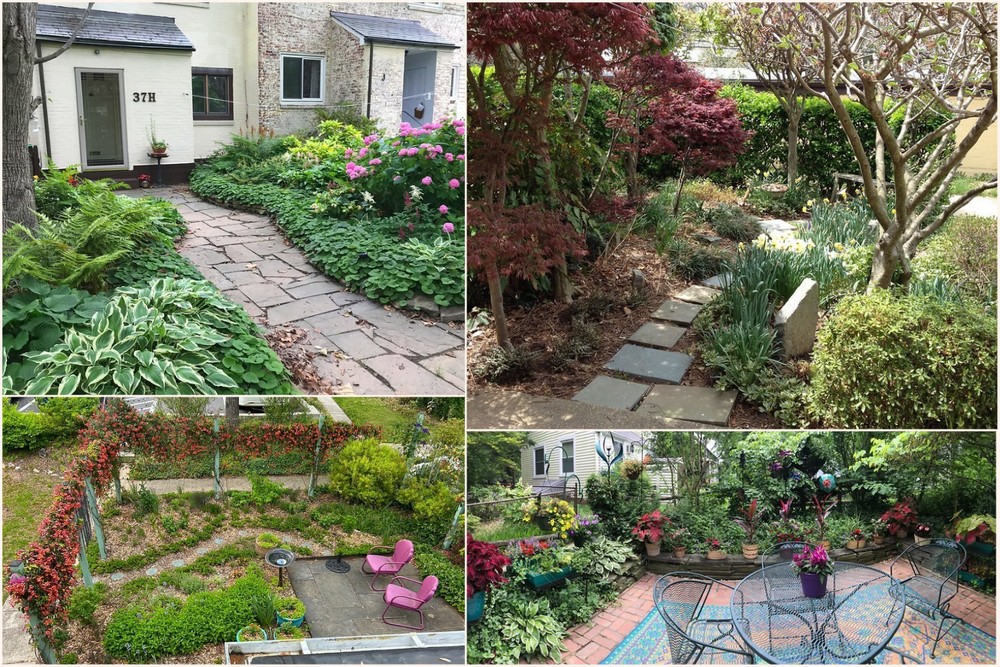
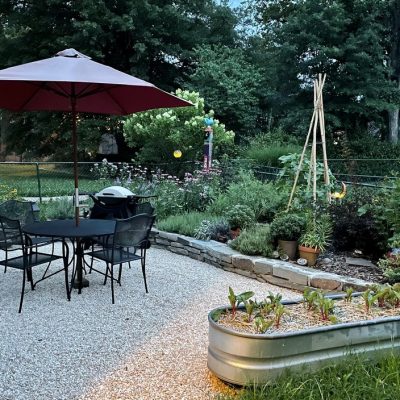
Hardscape is next in importance in making a yard look like a garden. That includes seating, patios, pathways, path edging, and structures like arbors.
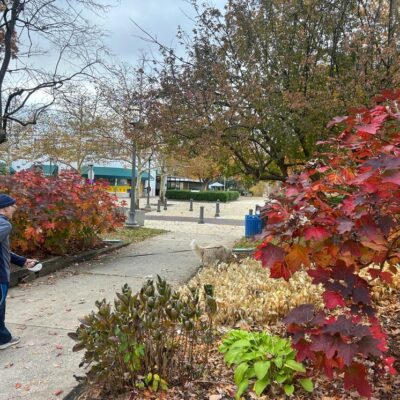
Plant choices and arrangement. Use shorter plants (especially at the front of borders), and plant them in drifts or masses (which also helps pollinators find them). Choose plants that don’t spread aggressively, and include some evergreens to make your yard look like a garden all year long. In the photo above left, note the use of short plants along the sidewalk.
Extra features can add to a overall garden-like effect: yard art, pots, trellises, fountains and rain barrels, and bird baths.
Habitat support signage. Signs (like NWF certification) help neighbors understand your intent and may inspire neighbors to follow your lead, but they’re no substitute for good design and other cues to care. Unfortunately, instead of helping the cause of gardening for wildlife, habitat certificate signs are criticized by Vogt and other native-plant advocates when they’re used to compensate for poorly designed and cared-for gardens, contributing to the commonly heard criticisms of native gardens as messy.
Don’t forget: You can use all these cues to care and still our yard fail inspection if your overall care isn’t up to date. E.g. a dirty bird bath, a weedy path, etc.
What about attracting pollinators?
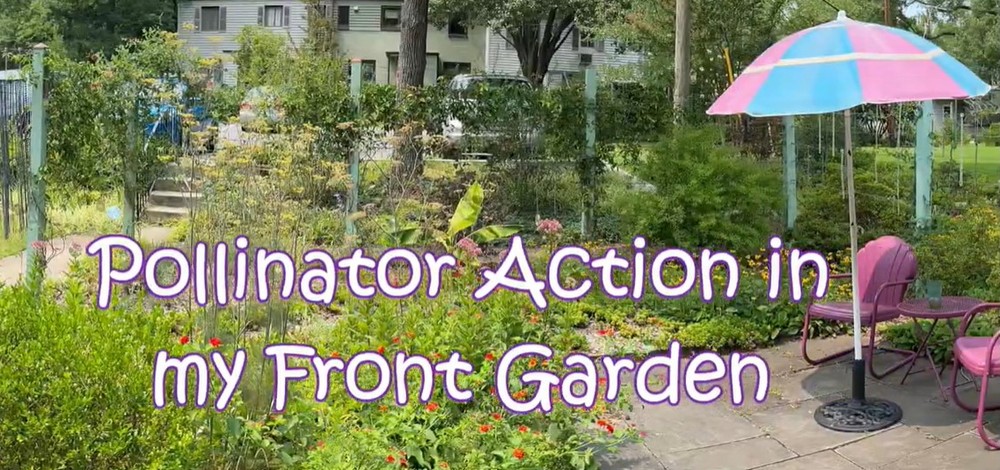
We’re all learning that insects can benefit from an unattended patch of garden, with leaves and dead plants left where they fall. But even pollinator gardens need some caring for – to remove invasives and plants that are aggressive spreaders. So what to do? For spring cleanup it’s recommended to leave 8 to 12” of flower stems in place, chopping off the top parts into small pieces and leaving them on the ground. The stems are habitat for native bees, and new plant growth will soon hide them.



Leave a Reply